
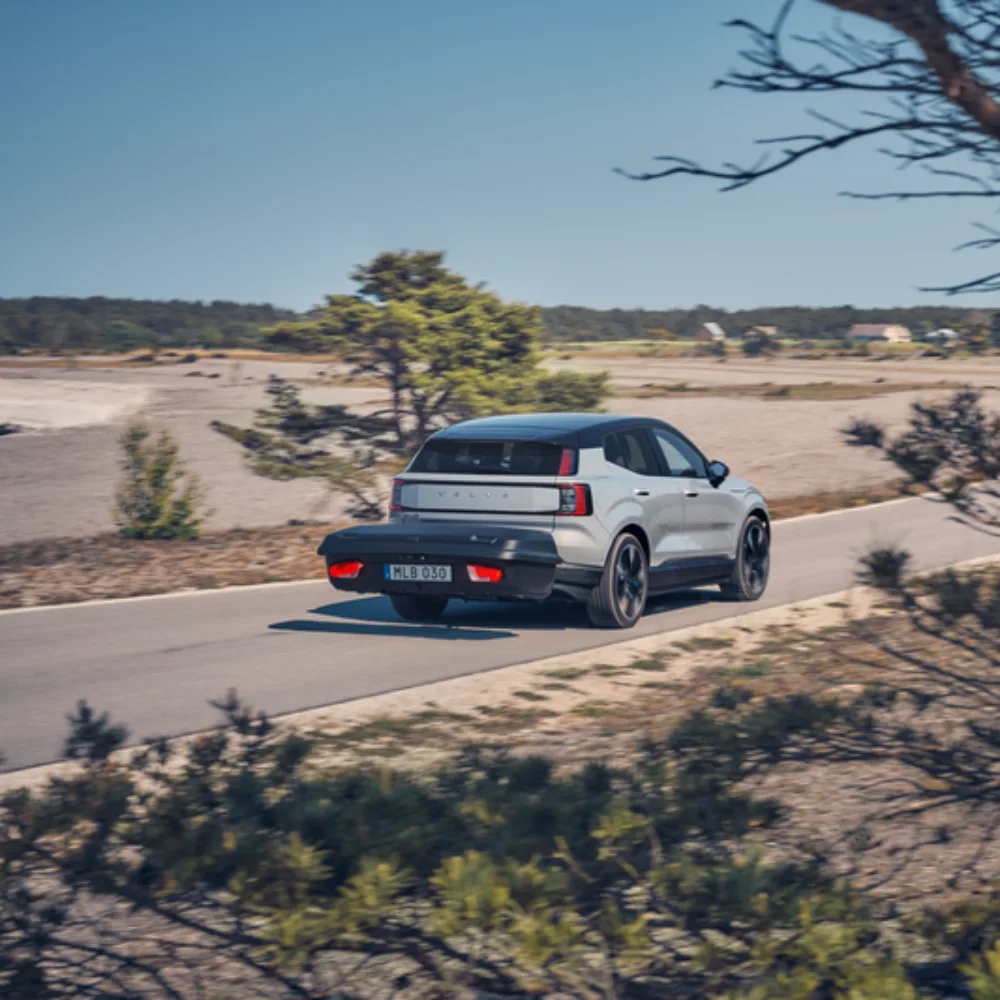
As daylight saving time ends and fall settles in, drivers across New Jersey face new challenges on the road—especially with earlier sunsets and longer periods of darkness. Whether you’re commuting in a trusted sedan or searching for a Volvo hybrid car for sale in New Jersey, understanding how to maximize safety with proper headlight use is essential for protecting yourself, your passengers, and others on the road.
Why Daylight Savings Impacts Driving Safety
When clocks “fall back,” the sun sets earlier, forcing many drivers to navigate their evening commutes in the dark. This shift leads to:
-
Reduced visibility: It’s harder to spot pedestrians, cyclists, animals, and road signs at night.
-
Increased glare: Oncoming headlights and wet roads can cause temporary blindness or distraction.
-
Driver fatigue: The time change can disrupt sleep patterns, making drivers less alert and more prone to accidents.
Essential Headlight Safety Tips for Fall Drives
1. Ensure Headlights Are Properly Adjusted and Maintained
-
Check alignment: Misaligned headlights can reduce your ability to see and be seen. Have them checked and adjusted during routine maintenance.
-
Clean lenses: Dirt, fog, or oxidation on headlight covers can significantly dim your lights. Clean them regularly for maximum brightness.
-
Replace bulbs promptly: Dim or burnt-out bulbs compromise safety. Replace them as soon as you notice reduced output.
2. Use Headlights Correctly
-
Turn on headlights earlier: Don’t wait until it’s pitch dark. Use headlights at dusk, dawn, and during inclement weather to improve visibility.
-
Switch between high and low beams appropriately: Use high beams on dark, empty roads, but switch to low beams when other vehicles approach to avoid blinding other drivers.
-
Avoid looking directly at oncoming headlights: Glance toward the right edge of your lane to minimize glare and maintain focus on the road.
3. Maximize Visibility and Minimize Glare
-
Keep windshields and mirrors clean: Streaks and smudges can amplify glare from headlights and streetlights.
-
Wear polarized sunglasses: These can help reduce glare during late afternoon drives or when the sun is low on the horizon.
-
Use your sun visor: Even in fall, the sun’s angle can create blinding conditions during your commute.
4. Practice Defensive Driving
-
Increase following distance: Reduced visibility means you need more time to react to sudden stops or hazards.
-
Slow down: Darkness and fatigue can slow reaction times, so adjust your speed accordingly.
-
Stay alert and avoid distractions: Put away your phone, keep music at a reasonable volume, and focus on the road.
5. Prepare for Emergencies
-
Keep an emergency kit in your vehicle: Include a flashlight, extra batteries, reflective triangles, and a first-aid kit.
-
Check your vehicle’s condition: Ensure tires are properly inflated, and fluids are topped up, especially as temperatures drop.
Why Choose a Volvo Hybrid for Fall Safety?
If you’re considering upgrading your vehicle, a Volvo hybrid car for sale in New Jersey offers advanced safety features ideal for fall and winter driving. Volvo’s commitment to safety includes:
-
Automatic headlight systems: Many Volvo hybrids feature adaptive headlights that adjust to road conditions and oncoming traffic.
-
Driver assistance technologies: Features like lane keeping assist, collision avoidance, and fatigue alerts help you stay safe during challenging commutes.
-
Superior visibility: Volvo’s design emphasizes clear sightlines and advanced lighting, making night driving safer.
Final Thoughts
As daylight savings ends, taking proactive steps with your headlights and driving habits can make all the difference. Whether you’re maintaining your current vehicle or searching for the best Volvo hybrid car for sale New Jersey has to offer, prioritize safety so you can enjoy the beauty of fall drives with peace of mind.
Drive safely this season—your safety is our top priority at Smythe Volvo.
Categories:
Volvo Hybrid Cars, Volvo Dealer, Smythe Volvo, Parts, Service, New Inventory, Pre-Owned Inventory